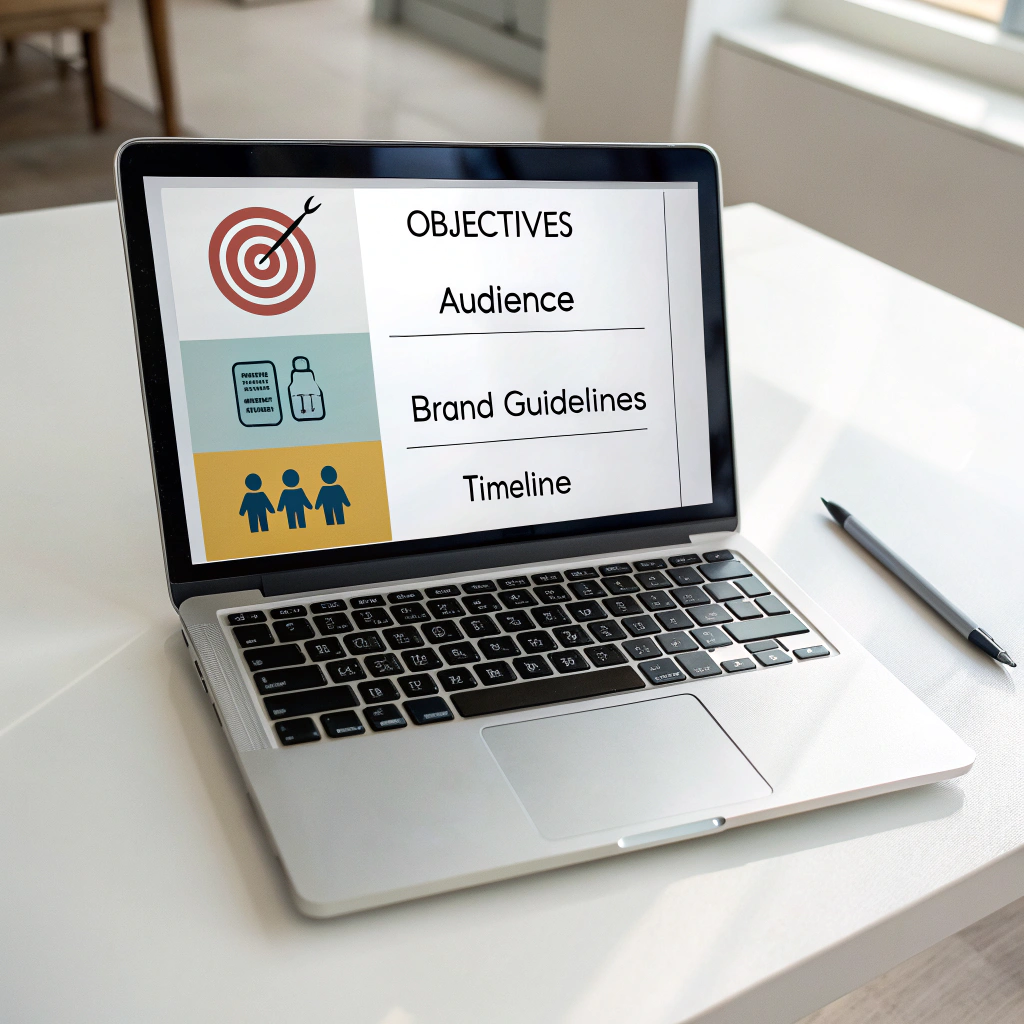

Creating a consistent social media presence can feel overwhelming, especially when you’re juggling multiple platforms, content ideas, and publishing schedules. This guide walks you through a structured 5‑day intensive that results in a ready‑to‑publish 30‑day social media content plan. Follow the daily roadmap, use the provided templates, and adopt proven batching and optimization methods to keep your brand visible, engaging, and on‑track.
Day 1 – Define Your Goals, Audience, and Platforms
Before you write a single caption, clarify the foundation of your social strategy:
- Business Objectives: Choose 2–3 measurable goals (e.g., increase website traffic by 20%, grow Instagram followers by 15%, generate 10 qualified leads).
- Target Audience Personas: Outline demographics, interests, pain points, and preferred platforms for each persona.
- Platform Selection: Decide which networks align with your audience and goals. Common combos include Instagram & Pinterest for visual brands, LinkedIn & Twitter for B2B, or Facebook & TikTok for consumer products.
Once these elements are documented, fill out the Goal‑Audience‑Platform Worksheet (downloadable template) and keep it handy for the rest of the week.
Day 2 – Build Your Content Pillars and Theme Calendar
Content pillars are the core topics that support your goals. Typically, 3–5 pillars work best. For each pillar, brainstorm 4–6 sub‑topics that can be turned into posts.
Next, assign a weekly theme that ties the pillars together. A simple example:
- Week 1 – Education: Share how‑to tutorials and industry insights.
- Week 2 – Inspiration: Post customer success stories and motivational quotes.
- Week 3 – Engagement: Run polls, quizzes, and user‑generated content challenges.
- Week 4 – Promotion: Highlight new products, limited‑time offers, and behind‑the‑scenes looks.
Record these in the Content Pillar & Theme Planner. This visual map ensures variety while keeping every piece aligned with your objectives.
Day 3 – Populate the 30‑Day Calendar with Daily Templates
Now that you have themes and pillars, slot each day with a specific content type. Use the following Daily Template Grid as a reference:
| Day | Platform | Content Type | Template Example |
|---|---|---|---|
| 1 | Educational Carousel | 5‑slide “How to X” with branded colors and call‑to‑action. | |
| 2 | Thought‑Leadership Article | 600‑word post sharing industry trend analysis. | |
| 3 | Customer Testimonial Video | 30‑second clip with subtitle overlay. | |
| 4 | Poll + Quote Graphic | Poll question + branded quote image. | |
| 5 | Infographic Pin | Vertical 2‑step guide with SEO‑optimized description. |
Copy the grid into your preferred spreadsheet tool, then adjust each row to match your pillars, themes, and platform mix. This creates a clear, actionable schedule that you can share with your team.
Day 4 – Content Batching and Production Workflow
Batching is the key to efficiency. Follow this three‑stage workflow:
- Research & Script (2 hours): Gather data, write captions, and script video/audio content for a full week.
- Design & Creation (3 hours): Use tools like Canva or an AI graphic generator to produce visual assets in bulk. Apply brand templates for consistency.
- Scheduling (1 hour): Upload finished assets to a social media scheduler (e.g., Buffer, Later, Hootsuite) and set posting times based on audience insights.
By repeating this 6‑hour weekly block, you’ll have an entire month of content ready after just five days of planning. Add the Batching Checklist to track progress and ensure nothing slips through the cracks.
Day 5 – Optimization, Analytics, and Ongoing Adjustments
Even the best‑crafted plan needs monitoring. Implement these optimization steps:
- Set Up Tracking: Add UTM parameters to every link, configure Google Analytics goals, and enable platform‑specific insights.
- Weekly Review: Every Sunday, review key metrics (reach, engagement, click‑through, conversions). Identify top‑performing content types.
- Iterate Quickly: Swap under‑performing posts with proven formats. For example, if carousel posts outperform static images, allocate more slots to carousels.
- Community Management: Dedicate 15 minutes each day to respond to comments and messages—boosts algorithmic favorability.
Document findings in the Analytics & Optimization Log. Over time, you’ll build a data‑driven content library that continuously improves ROI.
Bonus Resources – Templates You Can Download Today
- Goal‑Audience‑Platform Worksheet – One‑page PDF to capture strategic foundations.
- Content Pillar & Theme Planner – Editable Google Sheet with color‑coded sections.
- Daily Template Grid – Spreadsheet ready for copy‑and‑paste into Airtable or Excel.
- Batching Checklist – Checklist PDF for smooth weekly production.
- Analytics & Optimization Log – Simple tracker to record weekly performance.
Download these resources, follow the 5‑day roadmap, and you’ll walk away with a polished 30‑day social media content plan that drives measurable results.
Take the Next Step
If you’re looking for a guided experience, our Social Media Content Plan 5 Day Intensive Course walks you through each of these steps with live coaching, personalized feedback, and a community of like‑minded marketers. Whether you’re a solo entrepreneur or part of a larger team, the course equips you with the systems and confidence to execute the plan without a hitch.
Ready to transform your social media strategy? Start today, and watch your brand’s online presence flourish.